The SDS made it clear that if independence was declared, Serbs would secede as it was their right to train self-determination. On 25 June 1991, both Slovenia and Croatia declared independence, which led to a short armed conflict in Slovenia known as the Ten-Day War, and the escalation of the Croatian War of Independence in areas with a considerable ethnic Serb population. The Yugoslav People’s Army (JNA) additionally attacked Croatia from Bosnia and Herzegovina. To decide on the matters of citizenship a commision is formed appointed by the Council of Ministers and the Committee of Ministers of the Council of Europe. The Commission consists of 9 members, two Bosniacs, two Croats, two Serbs as well as three representatives who usually are not citizens of Bosnia and Herzegovina or of a neighbouring country.
Social Conventions in Bosnia and Herzegovina
World War I unfold all through Europe, ending 4 years later in the defeat of Austria-Hungary and its German allies. The Kingdom of the Serbs (Serbia, Montenegro, Croatia, and Slovenia) was formed in 1918, and Bosnia was annexed to the brand new nation. Dissension continued among the totally different regions of the dominion, and in an effort to determine unity King Alexander I renamed the country Yugoslavia in 1929. The excessive measures he took, which included abolishing the constitution, had been largely unpopular, and Alexander was assassinated in 1934 by Croatian nationalists.
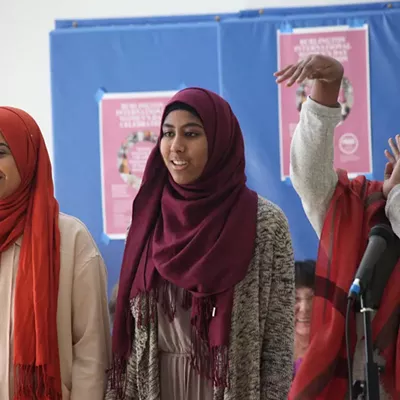
Why are Bosnian Women So Popular?
The deployment of Croat forces to interact the VRS was one of many key obstacles for a complete Serb victory in the early stage of the war. This was rejected by the political representatives of the Bosnian Serbs, who had boycotted the referendum. In late 1992 official Croatian media concentrated mostly bosnia girls on alleged Bosniak collaboration with the Yugoslav counterintelligence and by extension the Serbs. Later propaganda moved to particular attacks on Islam, frequently decrying the hazard of fundamentalist extremism.
The Bosniaks have been organized in the Army of the Republic of Bosnia and Herzegovina (ARBiH), and Croats within the Croatian Defence Council (HVO). The struggle generally consisted of sporadic conflicts with numerous ceasefires signed in the midst of it. However, it was not an all-out war between the Bosniaks and Croats they usually remained allied in other areas. Several peace plans were proposed by the international community through the warfare, however every of them failed. On 23 February 1994, a ceasefire was reached, and an settlement ending the hostilities was signed in Washington on 18 March 1994, by which time the HVO had important territorial losses.
In January 1994, the Croat National Council was established in Sarajevo, with a plan for Bosniak-Croat reconciliation and cooperation. The charges included crimes against humanity, violations of the laws or customs of warfare, and grave breaches of the Geneva Conventions.
Bosnians attempted to defend themselves but had been overpowered by the Serbians’ superior military technology and gear. A nationalist celebration gained in Croatia, and a Muslim get together received in Bosnia-Herzegovina. Because of its sturdy navy and small inhabitants of Serbs, Milosevic allowed Slovenia to secede with little resistance. The Croatian declaration of independence, nevertheless, was met with a warfare that lasted into 1992.
The assault resulted in 29 injured people and the demise of the terrorist. The motive for the assault was the capture of Talaat Fouad Qasim by the HVO, an essential member of the Islamic group. ] The mujahideen that stayed in the country created a climate of concern in central Bosnia, the place they conducted regular shootings at and blowing up of Croat homes and carried frequent attacks on Croat returnees. In the summer time of 1997 and 1998, two Croat policemen were killed by mujahideen veterans that obtained protection from the local police. In Herzegovina, the principle focus of the ARBiH assault was the HVO stronghold within the village of Vrdi, an essential location for the control of northern and western approaches to Mostar.
mediators Thorvald Stoltenberg and David Owen, which might arrange Bosnia and Herzegovina right into a union of three ethnic republics. Serbs would obtain fifty three p.c of territory, Bosniaks would receive 30 percent, and Croats 17 %.
Both Catholics and Eastern Orthodox believers rejoice Easter with special breads and elaborately decorated eggs. Christmas is an event for special household meals among the many Christian inhabitants.
Political and military relations
On 9 January 1992, the Bosnian Serbs proclaimed the “Republic of the Serbian People in Bosnia-Herzegovina” (SR BiH, later Republika Srpska), however didn’t formally declare independence. Numerous meetings were held in early 1991 between the leaders of the six Yugoslav republics and the two autonomous regions to discuss the continued disaster in Yugoslavia. Bosnian leader Alija Izetbegović proposed an asymmetrical federation in February, the place Slovenia and Croatia would preserve unfastened ties with the four remaining republics.
The HVO expelled the Bosniak inhabitants from western Mostar, while 1000’s of men had been taken to improvised jail camps in Dretelj and Heliodrom. The ARBiH held Croat prisoners in detention amenities within the village of Potoci, north of Mostar, and on the Fourth elementary school camp in Mostar. When a ceasefire was signed in Croatia in January 1992, the Croatian government allowed Bosnian Croats within the Croatian Army (HV) to demobilize and be a part of the HVO. HV General Janko Bobetko reorganized the HVO in April 1992 and a number of other HV officers moved to the HVO, together with Milivoj Petković.
Another wave of Bosniak emigration occurred after the end of the First World War, when Bosnia and Herzegovina turned part of the Kingdom of Serbs, Croats, and Slovenes, recognized after 1929 as Yugoslavia. The term Bosniak refers the ethnonational group of people that’s also referred to as the Bosnian Muslims. This was formally established in 1993 after the Bosniak Assembly adopted the ethnonym for use as a substitute of Bosnian Muslims. Scholars state that this move is partly motivated by a desire to distinguish the Bosniaks’ identification from the Bosnian Muslims class, which has an advanced history of nationwide id formation in the former Yugoslavia.

In October 2019, a third of the war crime expenses filed by the Bosnian state prosecution during the 12 months have been transferred to lower-stage courts, which sparked criticism of prosecutors. From May to December 1992, the Bosnian Ministry of the Interior (BiH MUP), Croatian Defence Council (HVO) and later the Bosnian Territorial Defence Forces (TO RBiH) operated the Čelebići jail camp. It was used to detain 700 Bosnian Serb prisoners of struggle arrested during navy operations that were supposed to de-block routes to Sarajevo and Mostar in May 1992 which had earlier been blocked by Serb forces. Detainees at the camp had been subjected to torture, sexual assaults, beatings and in any other case merciless and inhuman treatment.